
30 May 2023
Please Note!
This blog is no longer regularly maintained and information in some posts may be outdated. Please do your research, especially if visiting field locations, as rules, regulations, and access may have changed in the time since the posts were originally published.
21 January 2020
Where On (Google) Earth #603
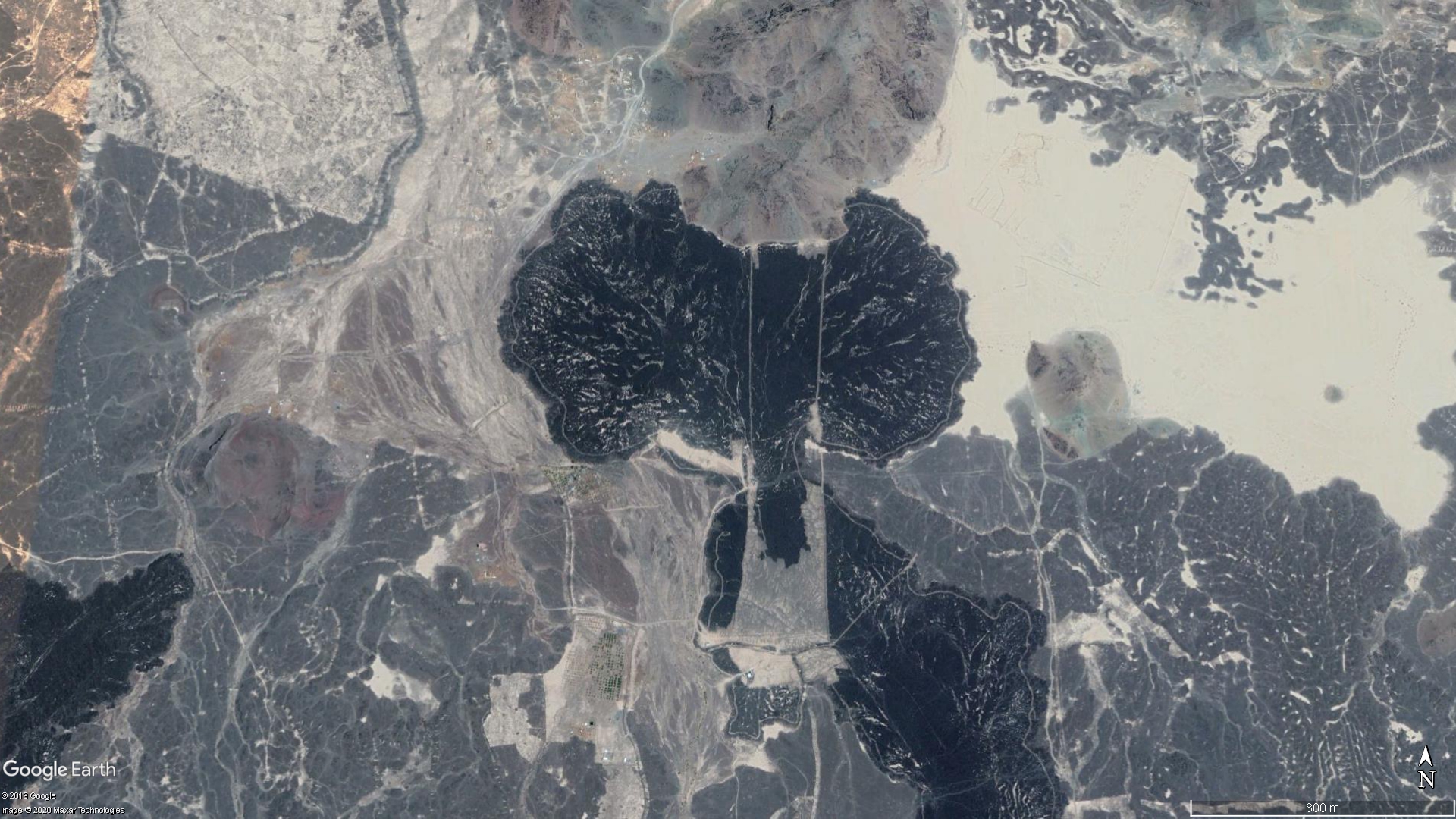
Last week, in a moment of random thought, I suggested reviving our beloved Where On Google Earth (#WOGE). @i_rockhopper got to work right away restarting the contest, and I tracked down the image, thus earning myself the right to host the next and an hour of handicap according to the Schott Rule. Here’s your next challenge in this geoscience reverse image search!
10 December 2019
Resources for Whakaari/White Island eruption information

It’s been a rough week for New Zealanders, particularly those affected by the Whakaari/White Island eruption and those responding to it. I’d like to strongly urge anyone in the media to please defer your questions to the NZ experts when at all possible – and be patient with them. Tragic events like these also have a profound impact on the people who study and work at volcanoes, and they will …
20 September 2019
This is an ex-eruption!
Recently, as chronicled in Scientific American, I was involved with amending the eruptive record at California’s Mount Shasta to remove an eruption that was supposedly seen by a French mapping expedition in 1786. USGS researchers had already been puzzling over it for years – evidence was slim, since the area was already prone to forest fires and there was nothing in the geologic record to suggest that it happened. William …
4 May 2019
One year
I’ve delayed writing about my involvement in last summer’s Kilauea eruption for a number of reasons. One is because I wanted to wait until the USGS has had a chance to publish the preliminaries of the eruption; others are more personal, involving my experience working with the communities affected and the people responding to the eruption. But now that the one-year anniversary of the start of the eruption has come …
4 March 2019
California is volcano country
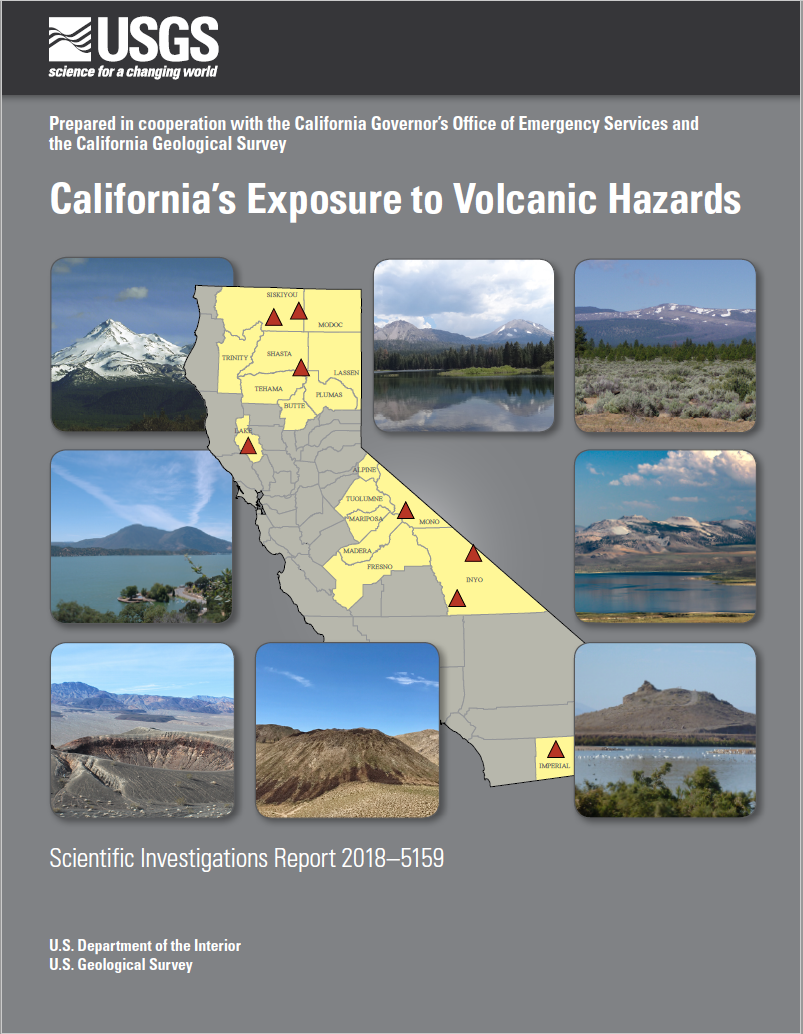
One of the big projects I’ve been working on for the past couple of years has been assisting my SIC (Scientist-In-Charge) at the California Volcano Observatory in writing a report about California’s exposure to volcanic hazards. And (not) coincidentally, that’s the title of a new report that the USGS just released last week!
18 January 2019
I’m “non-essential” and furloughed. Here’s what I’m supposed to be doing for my country.
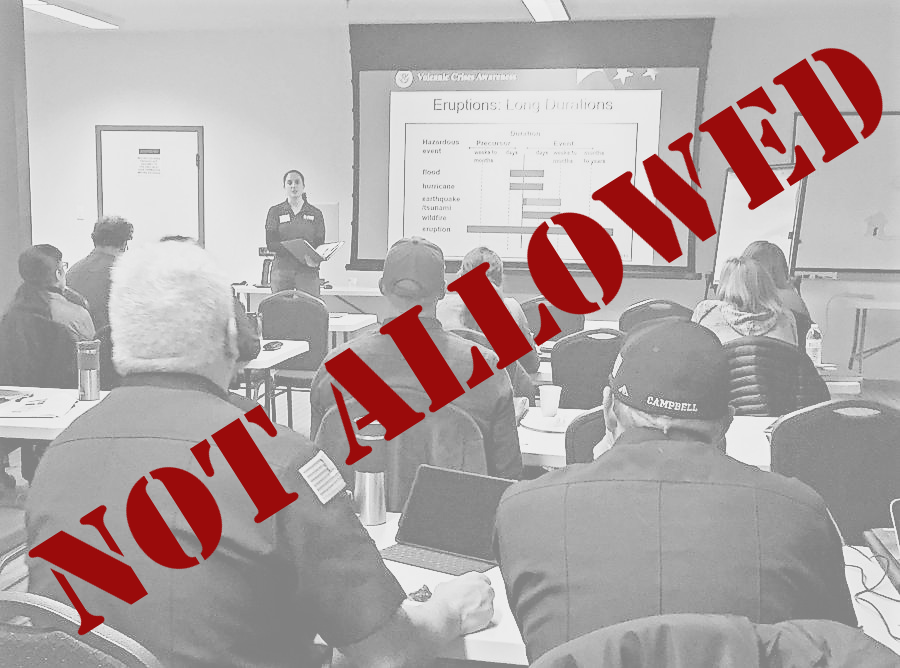
It’s been 27 days since I, my colleagues and 800,000 or so others were informed that our leaders were okay with using us as political pawns. 27 days since 380,000 of us were told we weren’t allowed work at all. 27 days since 420,000 of us were told that we had to work without pay.
23 December 2018
Where to find information about the Krakatau collapse and tsunami
As yesterday was my blogiversary, I was planning to write a reflective post about what I’ve accomplished (or not) in the past year. However, with the recent events in Indonesia, I decided to hold off on the introspective and use my platform to help direct people to factual information about Krakatau and the landslide and eruptions it’s experienced in the past several days. A note to the news media: As …
11 December 2018
Far from the science-ing crowd

This year, sadly, I’m not attending AGU’s Fall Meeting. It’s partly personal choice – I have several big projects scheduled for December and January – and partly that I don’t want to make two cross-country flights to go to a meeting and head home for the holidays (the timing doesn’t line up well). It’s also partly because in the USGS (and in the government in general), our choice of conferences to …
24 September 2018
For great Italian geology, go to church

There’s so much to see in Naples – so much gelato to eat – but one thing I learned was that if you want to sample the local geology, you could do worse than visit a church.


 Jessica Ball is a volcanologist at the U.S. Geological Survey, researching volcanic hydrothermal systems and stability, and doing science communication for the California Volcano Observatory. She previously worked at the Geological Society of America's Washington DC Policy Office, learning about the intersection of Earth science and legislative affairs. Her Mendenhall postdoc and PhD focused on how water affects the stability of volcanoes, and involved both field investigations and numerical modeling applications. Her blogging covers a range of topics, from her experiences in academic geosciences to science outreach and communication to her field and lab work in volcanology.